
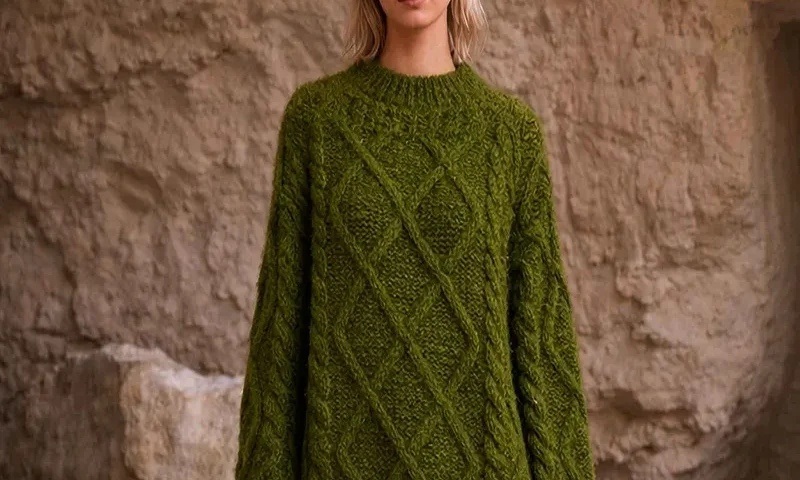
Luxury Quiet Luxury Knitwear in Sustainable Alpaca and Merino
In the fashion landscape of 2026, the concept of luxury has undergone a radical shedding of skin. The loud logos and transient trends of the previous decade have been replaced by a philosophy of Radical Longevity—a movement popularly known as “Quiet Luxury.” However, this isn’t just an aesthetic of beige and navy; it is a movement toward the “Invisible Excellence” of a garment.
True luxury in 2026 is found in the Digital Product Passport that lives within a sweater’s seam, proving its carbon-neutral journey and the ethical treatment of the animals that provided its fiber. At the pinnacle of this movement stands the sophisticated blend of Sustainable Alpaca and RWS-certified Merino wool.
The Alchemy of the Blend: Why Alpaca and Merino?
To understand the allure of this specific knitwear, one must look at the “Micron Count”—the measurement of the diameter of the fiber. In the world of high-end textiles, … READ MORE

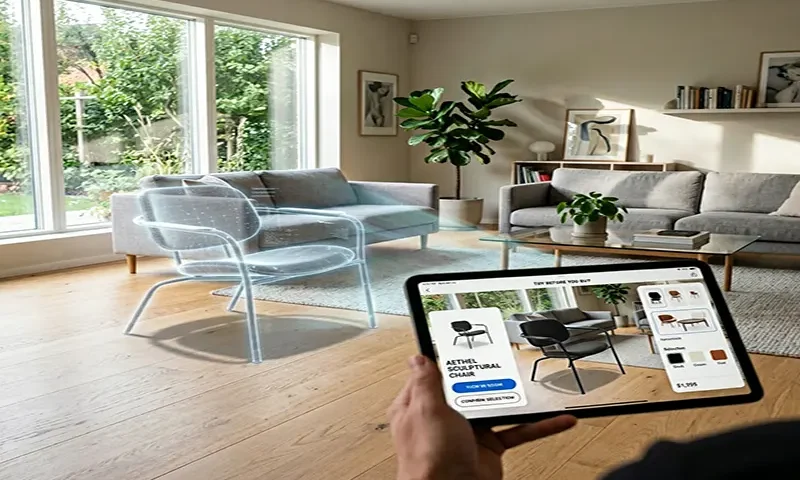
AR Try-Before-You-Buy: The New Frontier of Home Decor and Sculptural Furniture
For decades, the most significant barrier to purchasing high-end interior design online was “spatial anxiety.” While a two-dimensional photograph can capture the color of a fabric or the curve of a silhouette, it fails to communicate the visual volume of a piece within a specific environment. This is especially true for sculptural furniture—avant-garde, organic, and often oversized pieces that act as functional art.
In 2026, Augmented Reality (AR) has moved beyond being a marketing gimmick to become a high-fidelity “Try-Before-You-Buy” (TBYB) infrastructure. By bridging the gap between the digital showroom and the physical living room, AR is revolutionizing how we interact with, validate, and purchase the objects that define our homes.
The End of Spatial Guesswork
The “return loop” has long been the Achilles’ heel of the furniture industry. A stunning, three-legged stone coffee table might look perfect in a curated studio photo, but once it arrives in a 400-square-foot … READ MORE
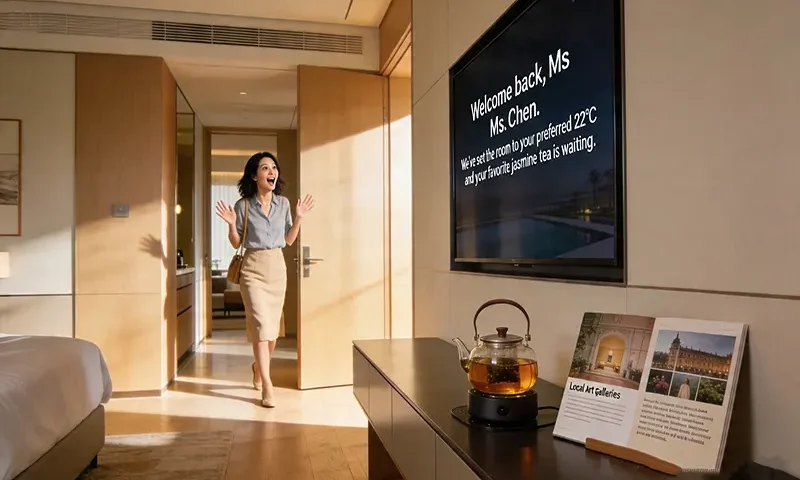
Hyper-Personalized Anticipatory Experiences to Increase Customer Retention
In the competitive landscape of 2026, the traditional metrics of customer satisfaction have undergone a radical transformation. We have moved beyond the “Reactive Era”—where brands waited for a customer to complain—and passed through the “Proactive Era”—where brands reached out with a fix. Today, we exist in the age of Anticipatory Design.
Hyper-personalization is no longer about simply inserting a name into an email or suggesting a product based on a past purchase. It is the art of solving a problem before the customer even realizes it exists. Anticipation is the new currency of loyalty; in a world of infinite choice, the brand that wins is the one that reduces the user’s cognitive load to nearly zero.
The Engine of Anticipation: Agentic AI and Multimodal Analysis
The leap from predictive to anticipatory experiences is powered by the rise of Agentic AI. Unlike traditional algorithms that require a human trigger, … READ MORE

Performance Athleisure for Digital Nomads and Frequent Travelers
In the professional landscape of 2026, the traditional “office” has been decentralized. From the co-working hubs of Lisbon to the high-speed rail lounges of Tokyo, the modern professional is perpetually in motion. This shift has rendered the traditional wardrobe obsolete. The rigid suit and the flimsy cotton t-shirt have both failed the “nomad test.”
Instead, a new category has emerged: Transition Wear. This is high-performance athleisure designed specifically for the digital nomad—garments that possess the technical prowess of alpine gear but the aesthetic refinement of urban menswear and womenswear. For the frequent traveler, these clothes are not just fashion; they are a vital piece of productivity infrastructure.
The Science of Travel Fabrics: Engineering Mobility
The secret to a successful nomadic wardrobe lies in the molecular structure of the fabric. In 2026, we have moved beyond simple synthetics to “intelligent” textiles that manage the traveler’s microclimate.
Merino Wool 2.0: The
… READ MORE
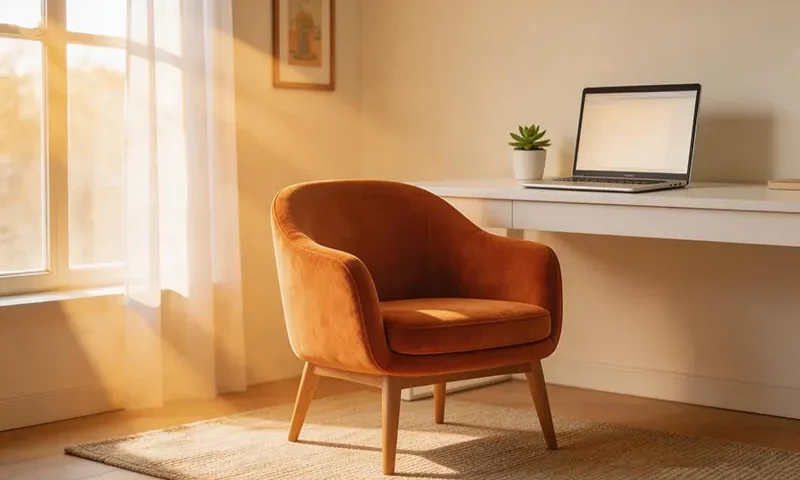
Affordable Retro 70s Inspired Accent Chairs for Home Offices
In the design landscape of 2026, the sterile, ultra-minimalist home office is officially a thing of the past. As we continue to blur the lines between professional and personal spheres, a major shift toward “Character-Rich Workspaces” has taken hold. Leading this movement is the 1970s Retro Revival—a trend that swaps cold industrial lines for organic curves, chromatic earth tones, and tactile fabrics that foster a sense of creative sanctuary.
The centerpiece of this transformation? The accent chair. No longer just a “spare seat” in the corner, the 70s-inspired accent chair has become the ultimate “system piece”—providing a soft place to land during deep-focus sessions or a stylish backdrop for the endless stream of video calls. Best of all, achieving this high-end vintage look no longer requires a designer’s budget.
The Anatomy of a 70s Accent Chair
To find the right piece for your space, you must first understand the … READ MORE